All India Sai Samaj

All India Sai Samaj: The Living Legacy of Shri Narasimha Swamiji

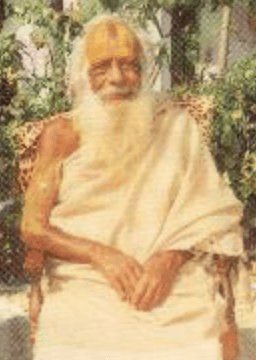
The All India Sai Samaj, headquartered in Mylapore, Chennai, stands today as one of the foremost institutions dedicated to the propagation of the life, message, and mission of Shirdi Sai Baba. What we see today as a well-established spiritual, cultural, and service-oriented center is the result of decades of unwavering faith, sacrifice, and tireless effort - beginning from the vision of one great soul, Shri B. V. Narasimha Swamiji.

In 1941, Shri B. V. Narasimha Swamiji established the All India Sai Samaj in Chennai as the central institution for the propagation of the life and teachings of Shirdi Sai Baba.

This was a moment of profound historical significance. The Samaj stands as one of the earliest and oldest Shirdi Sai temples in Tamil Nadu, founded just 23 years after Sai Baba’s Mahasamadhi in 1918. At a time when Sai Baba was still largely unknown in South India, Swamiji laid the foundation for what would become a powerful and enduring spiritual movement.

His vision extended far beyond a single institution. During his extensive travels, he inspired devotees across the country to establish local Sai centers, known as Upasamajams, all functioning under the guidance of the All India Sai Samaj. Thus, from its very inception, the Samaj became the nerve center of a growing national Sai movement.

The early journey of the All India Sai Samaj was marked by simplicity, uncertainty, and extraordinary perseverance.

With no permanent premises, the Samaj began its activities in a small rented room in Venkatachala Mudali Street, Triplicane. Despite the modest setting, Swamiji conducted daily puja, bhajans, and spiritual discourses, drawing a small but sincere group of devotees.

On 13 April 1942, the Samaj moved to a house in T.S.V. Koil Street, Mylapore, a place believed to be haunted. Yet, with the presence of Sai Baba and Swamiji, the atmosphere was transformed into one of sanctity and devotion.

It was during this period that two important Bhajan Mandalis were formed:

  • Sri Narasimhaswamiji Dwarakamayi Prathama Sishya Ghoshti, led by late Sri S. Sundareswara Iyer of the Railways
  • Triplicane Sai Bhajan Mandali, led by late Sri C. R. Narasimha Raghavan

These groups played a vital role in nurturing devotional fervor and spreading Sai bhakti through music and collective worship.

As the number of devotees slowly increased, the Samaj moved again on 1 September 1943 to a more spacious house belonging to Sri De Nanjunda Rao in Brodies Road (Ramakrishna Math Road), Mylapore. Here, the activities of the Samaj began to flourish more visibly.

Swamiji conducted:

  • Daily puja and bhajans, both at the Samaj and in devotees’ homes
  • Systematic chanting of Sai Sahasranamavali and Ashtottara Shata Namavali
  • Sadhana classes in the evenings, where sacred texts such as the Bhagavad Gita were recited and expounded
  • Meditation sessions, guiding devotees toward inner spiritual experience

By around 1945, Swamiji had compiled the Sai Sahasranama Stotra and Namavali, which became central to devotional practice. Devotees began learning these by heart, and this led to the commencement of Laksharchana, especially during the Mahasamadhi celebrations of Sai Baba.

What began as a small gathering gradually grew into a vibrant devotional community. The power of collective worship, structured spiritual practice, and Swamiji’s presence began attracting more and more devotees and sevaks.

The Mahasamadhi celebrations during this period became particularly noteworthy. Starting from Mahalaya Amavasya and concluding on Ekadasi, the celebrations extended over several days, featuring:

  • Devotional music performances by leading and upcoming artistes
  • Continuous bhajans and spiritual programs
  • A grand procession of Sai Baba through the streets of Mylapore, accompanied by nadaswaram by eminent vidwans

These celebrations left a deep impression on the people of Chennai and played a crucial role in spreading Sai devotion.


A Journey from Humble Beginnings

Thus, from:

  • A small, rented room
  • To a “haunted” house transformed into a sacred space
  • To a larger center of growing activity

The All India Sai Samaj steadily evolved - not through resources, but through devotion, discipline, and divine grace.

It was through:

  • Swamiji’s daily worship and personal guidance
  • The power of bhajans and namavalis
  • The discipline of sadhana and meditation
  • And the gradual involvement of devotees and sevaks

that the Samaj began to take firm root.

These formative years laid the spiritual foundation for what would later grow into one of the most important Sai institutions in India.

Through the generous support of the public and the tireless efforts of Swamiji’s close devotees - M. D. Krishnamurthy, V. K. Pantulu, Radhakrishna Swamiji, and J. D. Pannalal - the land on which the present Sai Mandir stands was acquired, and the Mandir was constructed. The Samaj formally moved into the new premises on 7 July 1952, the sacred day of Guru Poornima, marking a major milestone in the growth of the Sai movement in South India.

The adjoining property, where the Centenary Hall now stands and where major All India Sai Samaj conferences have since been conducted, was acquired subsequently as the activities of the Samaj continued to expand.

The first Maha Kumbabhishekam of the Samaj was performed on 19 October 1953, following the conduct of various Vedic homams and sacred rituals. The auspicious ceremony took place in the immediate presence and under the blessings of Shri Narasimha Swamiji, while the religious rites were conducted with great fervour and devotion by Thambaiappakkam Arunachala Sastrigal, whose dedicated efforts contributed significantly to the solemn grandeur of the occasion.

In 1954, another important opportunity arose to acquire an additional extent of land - approximately ten grounds - situated to the west of the Sai Mandir. Swamiji immediately recognised the significance of this acquisition. To him, this was not merely an opportunity for physical expansion, but a means to further the humanitarian and spiritual service activities that he regarded as central to Sai Baba’s mission.

However, acquiring this land was far from easy.

The purchase involved significant financial strain and practical challenges. Resources were scarce, and the Samaj was still in its formative stage. Yet, with unwavering determination, Swamiji pursued the acquisition, inspired by his conviction that this space would one day serve countless people in need.

Through persistent effort, appeals to devotees, and deep faith in Sai Baba’s grace, he ultimately succeeded in securing the land - an achievement that would prove to be visionary and foundational for the Samaj’s future growth.

Rise of Sai Kala Mantap

On this newly acquired land arose the Sai Kala Mantap, a spacious hall with a stage that became a vibrant center for:

  • Spiritual discourses and lectures
  • Cultural programs and devotional music
  • Religious gatherings and conventions

This hall was not merely a structure - it became a platform for collective spiritual awakening, where devotees gathered in large numbers to listen, learn, and participate in Sai bhakti.

In later years, this very space also supported educational activities when the Sai Vidyalaya began functioning, further extending the Samaj’s role in community development.

Understanding the power of the written word in spreading Sai Baba’s message, Swamiji took another major step in 1954: the establishment of the Sai Samaj Press.

With great effort, he acquired:

  • Printing machines
  • Necessary equipment
  • Materials required for publishing

Through this press, the Samaj began printing:

  • The multilingual journal ‘Sai Sudha’
  • Books and pamphlets on Sai Baba

This ensured that Sai literature could be produced consistently, affordably, and widely, reaching devotees across regions and languages. The press became a powerful instrument in carrying Sai Baba’s message far and wide.

For Swamiji, spirituality and service were inseparable. He firmly believed that serving the poor and suffering was the highest form of worship of Sai Baba.

In this spirit, he established the Sai Free Dispensary in 1954.

This noble initiative provided:

  • Free medical treatment to the poor and underprivileged
  • Compassionate care without expectation of return

A devoted doctor, Major Mahadevan, volunteered his services selflessly, embodying the spirit of seva that Swamiji sought to cultivate.

In addition to medical aid, Swamiji also began feeding the poor whenever possible, reinforcing the principle that no one should leave the precincts of Sai without receiving care - whether spiritual or physical.

On 19 October 1956, the sacred precincts of the All India Sai Samaj were enveloped in a profound stillness. Shri B. V. Narasimha Swamiji - the tireless apostle of Shirdi Sai Baba, the very force behind the Sai movement in South India - attained Mahasamadhi, casting off his mortal frame after completing his divine mission.

For the devotees, it was not merely the passing of a leader - it felt like the withdrawal of a living spiritual force that had guided, inspired, and sustained them.

Yet, even before leaving his physical body, Swamiji had made a powerful assurance. He declared with conviction that he would continue to guide, direct, and help all devotees in his subtle (sukshma) form. This statement would soon become the pillar of strength for the Samaj in its most testing phase.

A Period of Void and Quiet Uncertainty

In the immediate aftermath of his Mahasamadhi, a visible void was felt.

  • The steady stream of devotees reduced
  • The vibrant daily activities saw a temporary dip
  • The Samaj, which had thrived on Swamiji’s personal presence, now faced the challenge of continuity

For a brief period, there was a sense uncertainty -could the movement sustain itself without its founder?

Steadfast Leadership and Silent Rebuilding

At this critical juncture, the responsibility fell upon the office-bearers carefully chosen by Swamiji himself. Swamiji had nominated Sri D Bhima Rao, Retired Post Master General as his successor President of All India Sai Samaj, along with office bearers. These were not mere administrators - they were ardent devotees, deeply committed to Swamiji’s mission.

With humility, discipline, and unwavering faith, they began the task of rebuilding and stabilizing the Samaj.

They ensured that:

  • Daily puja and rituals continued without interruption
  • Bhajans remained a central practice, keeping the spiritual vibration alive
  • Swamiji’s teachings and methods were preserved in both letter and spirit

Their approach was not dramatic, but steady and deeply rooted in devotion - and this quiet perseverance began to bear fruit.

Revival Through Bhajans and Devotional Traditions

Swamiji had often said, “Bhajan is the life of the Sai movement.” This principle now became the driving force of revival.

The Sri Narasimhaswamiji Dwarakamayi Prathama Sishya Ghoshti, led by Sri Sundareswara Iyer, continued conducting regular bhajans every Saturday with great discipline.

Then came a significant development.

In December 1958, inspired by Swamiji’s ideals, young Sai sevaks initiated the Dhanur Masa Bhajans during the sacred Tamil month of Margazhi (mid-December to mid-January). These early morning bhajans created a unique spiritual atmosphere, drawing devotees in increasing numbers.

The stillness of dawn, the collective chanting, and the devotional fervor began to reignite the spiritual energy of the Samaj.

The Transformative Power of Radhakalyanam (1959)

A turning point in the revival came in January 1959.

By the grace of Shri Sai Baba, the renowned Bhagavata exponent Gopalakrishna Bhagavata Swami graciously agreed to conduct Radha Kalyanam at the Samaj. Revered affectionately as “Appa” by devotees, Brahmasri Gopalakrishna Bhagavata Swami recalled that he had known Shri Narasimha Swamiji from earlier years, and his association with the Samaj soon became one of deep spiritual significance.

From 1959 onwards, his presence and participation in the major functions of the All India Sai Samaj provided much-needed spiritual leadership and devotional inspiration. Under his guidance, an era of Sai Namasankeertanam blossomed at the Samaj, gradually establishing it as an important centre for devotional music and congregational chanting. With Appa taking the lead, devotees were immersed in the nectar-like experience of Hari Kirtanas and divine music, in the spirit of saints such as Tyagaraja, Mirabai, Chaitanya Mahaprabhu, and Das Ganu Maharaj, whose lives had exemplified devotion through music and nama sankirtana.

The impact of this development was profound. Devotees flocked to the Samaj in large numbers to witness the sacred celebration, and the temple premises once again reverberated with music, devotion, and spiritual joy. The presence of such a revered Bhagavata elevated the spiritual stature of the Samaj and enriched its devotional atmosphere immeasurably.

From that year onward, Radha Kalyanam became an annual feature of the Samaj, drawing devotees year after year and evolving into a cherished spiritual tradition.
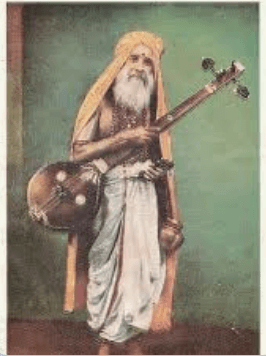
His Holiness Gopalakrishna Bhagavata Swami of Pudukkottai

Arrival of Saints and Spiritual Luminaries

The revival gained further momentum with the visit of great spiritual personalities, including:

  • Swami Abhedananda of Thiruvanandapuram
  • Prabhudatta Brahmachari Maharaj of Brindavan
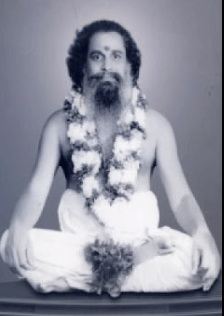
Swami Abhedananda
Prabhudatta Brahmachari Maharaj of Brindavan

Along with these saints came:

  • Renowned Bhagavatas and saints
  • Harikatha exponents
  • Eminent upanyasakas (spiritual speakers)
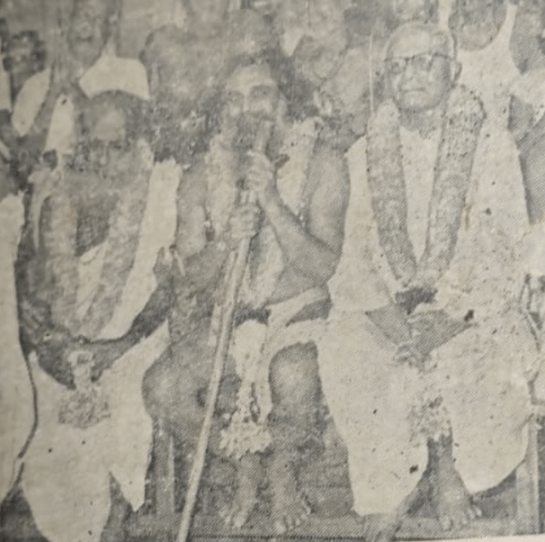
Shri Bhagavataswami, Shri Abhedananda Swami Maharaj, Shri Rege Maharaj with devotees
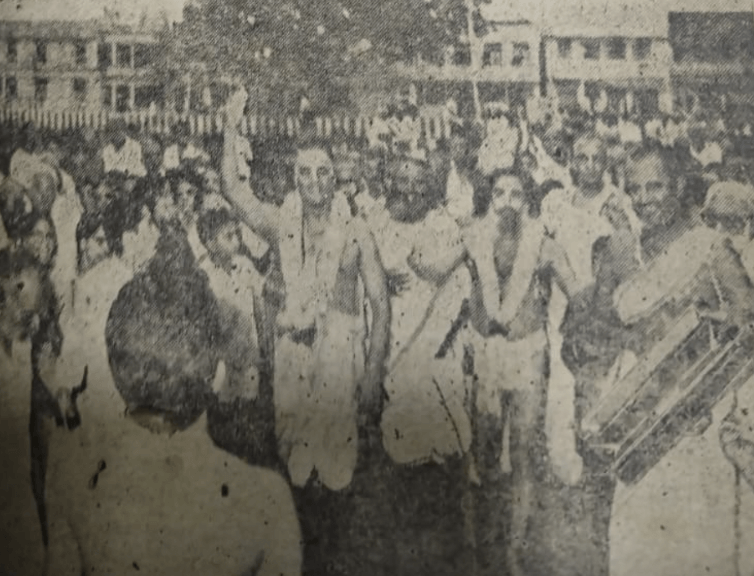
Procession with Nagara Sankeerthanam from Adikeshavaperumal temple to Sai Samaj - Abhedanandaji with Purushottama Goswami

Their presence transformed the Samaj into a vibrant spiritual hub, attracting seekers from all walks of life.
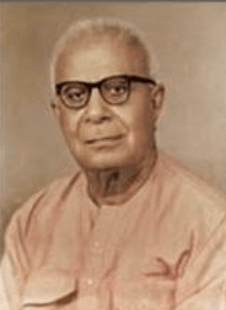
Another significant initiative that contributed to the revival was the development of a comprehensive library. Swamiji had personally collected over 6000 books covering:

  • Religion
  • Philosophy
  • Literature
  • Science

Inspired by the then secretary, a group of dedicated young volunteers:

  • Catalogued the books systematically
  • Established a Library and Free Reading Room

This was formally inaugurated on Swamiji’s first Aradhana Day in October 1957, which was observed as Founder’s Day, by Shri B. N. Datar, then Union Home Minister.

The library became a center of intellectual and spiritual enrichment, attracting students, seekers, and devotees.

Gradual Return of Devotees

With these combined efforts, the temple atmosphere regained its vibrancy. Devotional activities became more structured and frequent. Cultural and spiritual programs drew wider participation. Thus, Slowly but steadily, devotees began to return in large numbers.

What had once seemed like a period of decline transformed into a phase of renewed growth and strength.

The period from 1960 to 1970 is rightly hailed as the “Golden Era” in the history of the All India Sai Samaj. What had been nurtured through struggle in earlier years now began to blossom in fullness, revealing the strength of the foundation laid by Shri B. V. Narasimha Swamiji.

Though Swamiji had attained Mahasamadhi in 1956, his presence was palpably felt in every activity. The institution did not merely survive - it expanded in scope, depth, and influence, guided by devoted office-bearers and sustained by the ever-living grace of Shirdi Sai Baba.

Strengthening of Worship and Collective Sadhana

The early 1960s witnessed a deepening of structured spiritual practices within the Samaj, alongside the continued strengthening of its devotional and administrative foundations.

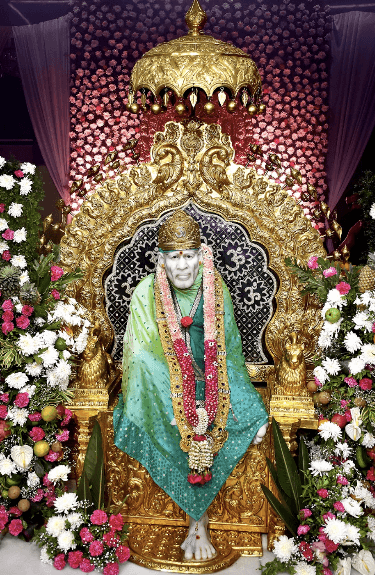
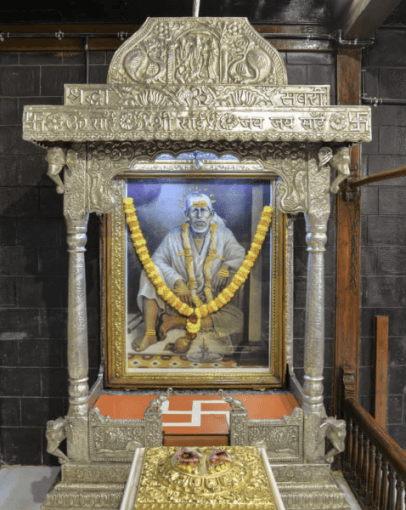
The main sanctum sanctorum was beautifully adorned with the sacred portrait of Sai Baba worshipped by Shri Narasimha Swamiji, enshrined in a simhasana and flanked on either side by perpetually burning lamps, creating an atmosphere of deep sanctity and devotion. In keeping with the sacred arrangement at Shirdi, a replica of Baba’s Samadhi along with His Padukas was also installed, allowing devotees to experience a devotional ambience closely reminiscent of the holy shrine of Shirdi.

One of the central devotional features of this period was the Laksharchana, performed with great fervour during Shri Sai Baba’s Mahasamadhi celebrations, both in the mornings and evenings, using the Sai Sahasranamavali compiled earlier by Narasimha Swamiji himself. Devotees participated in large numbers, chanting collectively and immersing themselves in Nama Japa, creating an atmosphere charged with devotion and spiritual fervour.

The third decade of the Samaj (1961–1970) also marked an important period of transition following the Mahasamadhi of Shri Narasimha Swamiji. During this time, D. Bhima Rao - humility personified and deeply devoted to Sai Baba - carried forward the mantle of Swamiji’s mission with sincerity and dedication. Alongside him, V. K. Pantulu, as a true and steadfast disciple of his Gurudev, continued to render Sai Seva and Sai Bhakthi in accordance with the spiritual path laid down by Narasimha Swamiji.

When Sri Bhima Rao later fell ill and was unable to continue discharging his responsibilities as President, Saipadananda Radhakrishna Swamiji assumed leadership as President, with Sri R. Natesan as Secretary, ensuring continuity in the Samaj’s devotional and organisational activities.

In 1962, a dental wing was inaugurated at the Samaj in fond and grateful remembrance of the great devotee V. K. Pantulu, commemorating his devoted service to Sai Baba and the Samaj.

In 1963, the Samaj embarked upon an ambitious and deeply devotional spiritual undertaking - the Sai Koti Archana. Conceived as a monumental act of collective devotion, it involved the chanting of Shri Sai Baba’s divine name one crore (ten million) times, reflecting extraordinary spiritual discipline, faith, and congregational participation.

Carried forward with devotion over several years, this sacred endeavour culminated successfully in July 1966, coinciding with an important phase of institutional growth and spiritual expansion within the Samaj.

Revival and Expansion of All India Sai Devotees’ Conventions

After a gap following Swamiji’s Mahasamadhi, the tradition of All India Sai Devotees’ Conventions was revived with renewed vigor.

  • In May 1963, the 9th Convention was held at Coimbatore through the efforts of Sri A.V.K. Chari of Naga Sai Mandir
  • This was followed by conventions in Chennai, Madurai, Bangalore, Nellore, and other cities
  • The All India Sai Samaj played a central and guiding role in organizing these gatherings

These conventions became powerful platforms for:

  • Sharing devotees’ experiences
  • Strengthening unity among Sai followers
  • Spreading Sai Baba’s message across regions

A defining moment came in May 1965, when the 10th All India Sai Devotees’ Convention was held at the Samaj in Chennai.

The highlight of this convention was the presence of M. B. Rege Maharaj, one of the most respected devotees of Sai Baba.

About M. B. Rege Maharaj

Sri M. B. Rege, an ex-Judge of the Indore High Court, was among the most intimate devotees of Shirdi Sai Baba who had the rare privilege of being with Shri Shirdi Sai Baba during His lifetime. Baba regarded him with deep affection, treating him like His own child - a mark of his closeness and spiritual fortune.

His participation had a profound spiritual impact:

  • Devotees felt as though Sai Baba Himself had come in his form
  • His talks and interactions deeply moved the audience
  • A lasting bond was formed between him and the Chennai devotees

So strong was this connection that Sri Rege began visiting Chennai every year until his passing in 1971.

This convention also saw:

  • Participation of many senior devotees connected with Swamiji
  • Representation from Sai Samajams across India
  • A Seminar on Religions, where eminent scholars spoke on Hinduism, Christianity, Islam, and Buddhism, reflecting Sai Baba’s message of universal harmony
  • A landmark resolution was passed during this convention:

    To install the portrait of Shri Narasimha Swamiji in the Samadhi Mandir at Shirdi

On 26 January 1966 (Republic Day), this resolution took sacred form.

H.H. Narasimhaswamiji’s portrait was:

  • Taken in a grand procession through the streets of Shirdi
  • Reverentially placed at the feet of Shirdi Sai Baba
  • Later installed alongside portraits of Baba’s foremost devotees

This ceremony was performed by Sri Rege, who made a prophetic declaration:

“As long as Baba’s name endures, the name of Narasimha Swamiji will remain inseparably linked with it.”

This moment stands as one of the highest recognitions ever accorded to Swamiji’s contribution.


Pilgrimage Movement (From 1966 Onwards)

In the same year, the Samaj initiated a new spiritual movement - organized pilgrimage tours

The first tour in January 1966:

  • Covered sacred places like Mangalagiri, Vijayawada, Bhadrachalam, Pandharpur, and Mantralayam
  • Culminated in Shirdi, where Swamiji’s portrait was installed

This pilgrimage became immensely popular and was conducted annually for the next five years, with devotees eagerly seeking participation.

The year 1966 also marked the Silver Jubilee of the All India Sai Samaj, celebrated with great grandeur. The Silver Jubilee Celebration together with the 10th All India Sai Devotees convention in 1965 and the Golden Jubilee of Sri Sai Baba Mahasamadhi in 1968 were the highlights of AISS in this decade.

A major milestone was achieved:

  • The earlier zinc-sheet roofed shed was replaced by a permanent RCC hall with inverted beams, a remarkable architectural achievement for its time and among the first of its kind to be constructed without pillars obstructing the hall space. The hall was inaugurated by the revered Gopalakrishna Bhagavata Swami, on Guru Purnima Day (July 1966)
  • For devotees, this transformation was regarded as nothing short of a chamatkar (divine miracle) of Shri Sai Baba, reflecting His unseen grace and the remarkable progress of the Samaj.

Simultaneously:

  • Several books were published and released in multiple languages
  • Including the Fourth Volume of “Life of Sai Baba” and Charters & Sayings

Swamiji’s vision included Vidyadhan (education as charity).

  • In July 1967, the Sai Vidyalaya was inaugurated by Sri Rege Maharaj
  • It began with kindergarten and primary classes and later expanded

The Sai Kala Mantap became a vibrant venue for:

  • Cultural programs
  • Dance-dramas
  • Spiritual discourses

The year 1968 marked the 50th year of Sai Baba’s Mahasamadhi, celebrated with unmatched grandeur. The decade was further enriched by several landmark devotional gatherings. An All India Bhagavata Mela, presided over by Gopalakrishna Bhagavata Swami, brought together devotees in an atmosphere of intense bhakti and nama sankeertana. Bhajan groups from Maharashtra and other regions, along with week-long Rasaleela performances from Brindavan, drew large crowds and elevated the spiritual fervour of the Samaj.

The Bhagavata Sammelan of 1968, held as part of the Golden Jubilee celebrations of Shri Sai Baba’s Mahasamadhi, became a particularly memorable occasion. The Samaj was blessed by the august presence of revered spiritual personalities including M. B. Rege, Gopalakrishna Bhagavata Swami, Swami Abhedananda Maharaj, Basheer Baba, Haridas Giri, and Purushothama Goswami of Brindavan. Harigovindji and his troupe of young children presented the Leelas of Chaitanya Mahaprabhu and Shri Krishna, captivating devotees.

These celebrations were unparalleled, with the Samaj resonating with glorious nama sankeertana, overflowing devotion, and divine ecstasy, leaving devotees feeling blessed to partake in such spiritual nourishment.

On Mahasamadhi Day:

  • Swarnapushpa Archana was performed with 108 gold flowers
  • A grand procession filled Mylapore with divine fervor

With:

  • Nadaswaram by Namagiripettai Krishnan
  • Bhajan groups
  • Vedix Chanting

The entire area resembled a spiritual festival of extraordinary magnitude.

Sri Rege Maharaj, deeply moved, exclaimed:

“Who says Baba is only in Shirdi? See the Glory of the Master here!”


Legal Victory and Institutional Strength

In a landmark judgment dated 23 June 1967, the Madras High Court held that the All India Sai Samaj and the temple did not come under the purview of the Hindu Religious & Charitable Endowments (HR&CE) Act. The Court observed that the All India Sai Samaj was a universal institution, welcoming devotees irrespective of caste, creed, or religion. Since the temple was established for the worship of Shri Shirdi Sai Baba by devotees of all religions and was not exclusively dedicated to Hindus or Hindu public worship, it did not satisfy the legal definition of a Hindu temple under the Act. Consequently, the HR&CE Department was held to have no jurisdiction over the institution.

To understand the importance of what was established in our Samaj, one must first understand Dwarakamayi itself.

Dwarakamayi: The Living Court of Grace

To devotees of Shirdi Sai Baba, Dwarakamayi is not merely a structure - it is one of the greatest spiritual treasures of Shirdi. It embodies the very essence of Sai Baba’s message: tolerance, acceptance, and unconditional welcome to all.

Sai Baba declared that merely stepping into Dwarakamayi confers blessings, a truth affirmed by countless devotees through their own experiences. People of all religions and backgrounds were freely welcomed here, reflecting Baba’s deep reverence for unity of faiths.

In a profoundly unique expression of divine love, Baba referred to this mosque as a mother. He once said:

“Dwarkamai is this very mosque. She makes those who ascend her steps fearless. This Masjidmai is very kind. Those who come here reach their goal!”

At the heart of Dwarakamayi lies the Dhuni, the ever-burning sacred fire so intimately associated with Shirdi Sai Baba.

Dwarakamayi in Shirdi Dwarakamayi in Shirdi

The Dhuni:

The Dhuni represents a Yajna (sacrificial rite) - a pious offering to Agni (the fire principle) lit by Baba Himself - symbolizing purification and divine transformation. For many devotees, it is the most powerful and living presence in Dwarakamayi, continuously burning since the time Baba kindled it.

From this sacred fire emerges Udi (holy ash), regarded as one of the purest substances. It signifies:

  • The destruction of evil and impurities
  • The transience of worldly life
  • The grace that protects and heals

Sai Baba generously distributed this Udi to devotees, using it as a means to:

  • Relieve suffering
  • Cure ailments
  • Provide spiritual assurance

Thus, the Dhuni is not merely fire - it is a symbol of divine protection, purification, and Baba’s boundless compassion, whose presence continues to bless devotees even today.

Dwarkamayi Sacred Dhuni Comes to the Samaj (1968)

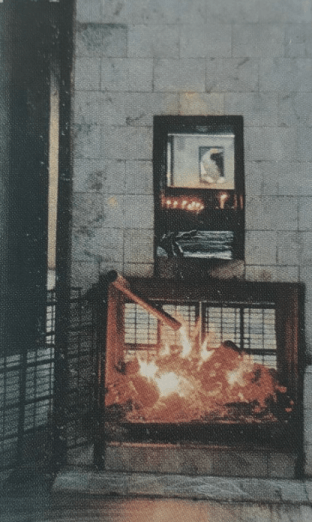
In 1968, a deeply devoted follower of Swamiji, Sri V. S. Ramaswamy Iyengar, a senior Railway official, undertook a sacred act of immense spiritual significance. He brought from Shirdi the holy fire from the Dhuni of Dwarakamayi itself.

This sacred fire was:

  • Installed in a Homakundam in front of the shrine at the Samaj
  • Carefully preserved and kept continuously alive, without interruption

When construction activities required relocation, the Dhuni was respectfully shifted to the open space east of the shrine, ensuring its sanctity was never disturbed.

Establishing Dwarakamayi in Chennai

Another ardent devotee, Sri N. K. Subba Rau, contributed to giving form to this sacred presence. He:

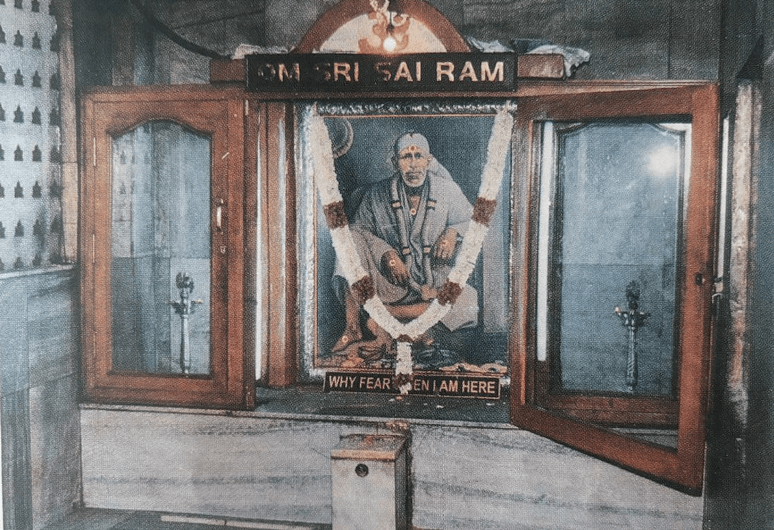
  • Brought a portrait of Sai Baba in the seated posture, exactly as seen in Dwarakamayi at Shirdi. This portrait in Chennal was painted by the son of Sri Shama Rao Jayakar, intimate devotee of Baba, who had moved with Baba He was in flesh, and who had painted the original portrait in Shirdi Dwarakamayi.
  • Subba Rau also contributed towards the construction of a dedicated room for Dwarakamayi

Thus, within the premises of the All India Sai Samaj:

  • The Dhuni (sacred fire)
  • The portrait of Baba in Dwarakamayi posture

were brought together and installed - creating a replica of Dwarakamayi in Shirdi itself.

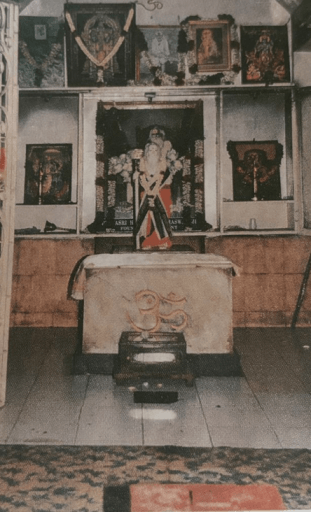
Dwarakamayi installed in Samaj as in Shirdi Dwarakamayi installed in Samaj as in Shirdi
Dhuni from Shirdi Dhuni from Shirdi

Gurusthan: The Sacred Seat of the Guru

The term Gurusthan literally means “the place of the Guru.” In Shirdi, Gurusthan is one of the most sacred and spiritually significant spots, deeply associated with the early presence of Shirdi Sai Baba.

It was here, under the Neem tree, that Sai Baba was first seen as a young ascetic. Baba Himself later revealed that this very spot was not merely where He stayed - it was also the resting place (tomb) of His own Guru. Hence Sai Baba instructed His devotees:

“This was the site of the Guru’s tomb, and it should not be disturbed.”

Gurusthan in Shirdi Gurusthan in Shirdi

The Padukas (sacred footprints) were installed at Gurusthan in 1912 by devotees like G. K. Dixit and Sagun Meru Naik to commemorate Shirdi Sai Baba’s early stay under the Neem tree. Brought in a reverential procession from the Khandoba temple, Baba sanctified them by touching and declaring them as “the feet of the Lord,” after which they were installed beneath the Neem tree, marking the sacred seat of the Guru.

Gurusthan at the All India Sai Samaj

In reverent remembrance of this sacred origin, the All India Sai Samaj recreated the essence of Gurusthan within its premises.

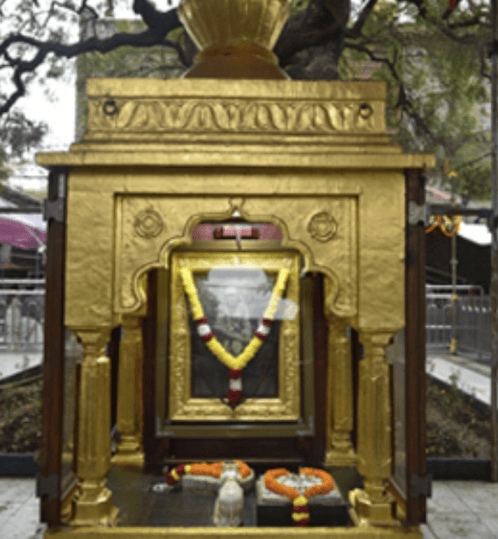
A divine portrait depicting Krishna - Rama - Siva - Marutyadi Rupa Sai - expressing Sai Baba as the embodiment of multiple divine forms - was:

  • Relocated from the front hall
  • Installed in a niche beneath a Neem - Aswatha tree within the Samaj premises
  • A pair of silver Padukas of Baba were installed in front of the portrait.

This installation came to be worshipped as the Gurusthan of the Samaj.

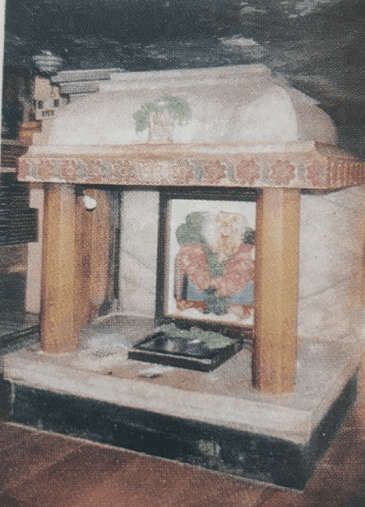
Samaj Gurusthan - installed with Padukas as it is in Shirdi under the Neem tree Samaj Gurusthan - installed with Padukas as it is in Shirdi under the Neem tree

The period from 1971 to 2002 marks a significant phase in the history of the All India Sai Samaj - a time of steady consolidation, infrastructural expansion, institutional challenges, and renewed spiritual vibrancy. Guided by the unseen grace of Shirdi Sai Baba and the continuing influence of Shri B. V. Narasimha Swamiji, the Samaj evolved into a well-established spiritual and service-oriented institution.

The early 70s began with efforts to enhance the spiritual and physical environment of the Samaj.

  • In 1971, the main hall was beautifully decorated with colourful paintings depicting the life and leelas of Sai Baba, transforming the space into a visual spiritual narrative for devotees.
  • A pucca kitchen was constructed to support the preparation of prasadam.
  • A dining hall was added, strengthening the Samaj’s capacity to conduct annadanam (feeding of devotees and the poor).
  • The thatched-roof cottage of Swamiji was converted into a pucca Dhyana Mantapam, providing a serene space for meditation and remembrance of the great apostle.
Shri H.H. Narasimhaswamiji Cottage Shri H.H. Narasimhaswamiji Cottage

These developments reflected a shift from basic infrastructure to a more organized and enduring institutional framework.


1974: Birth Centenary of Swamiji

The year 1974 marked a significant milestone - the Birth Centenary of Shri B. V. Narasimha Swamiji. The occasion was celebrated with great grandeur and deep devotion, alongside an All India Sai Devotees’ Convention that brought together representatives from Sai institutions across the country. It became a powerful moment of collective remembrance and renewed commitment to the Sai mission, while also honoring Swamiji’s unparalleled contributions. Senior devotees who had personally interacted with him offered heartfelt tributes, reaffirming his revered stature as the father of the Sai movement in South India.

One of the most significant developments in later years was the installation of a marble murthi (idol) of Sai Baba.

Originally, Swamiji had clearly stipulated in the Samaj’s founding principles that only a picture of Sai Baba should be worshipped. Hence, for decades, worship was centered exclusively around the original photograph installed by Swamiji. Laksharchanas and many Koti Archanas were performed to this portrait.

However, in 1987, a new development took place:

  • A marble murthi of Sai Baba was installed in the Mandir
  • The installation was performed on 2 February 1987
  • Led by Sri Muthu Venkatraman
  • Importantly, the original photo was not disturbed from view of devotees
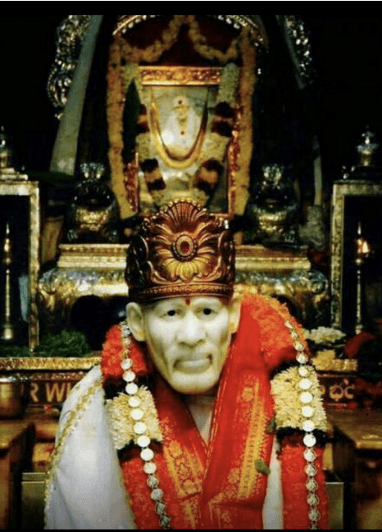
Murthi of Baba installed without disturbing the view of original photo Murthi of Baba installed without disturbing the view of original photo

From then on, pooja and rituals were offered both to the original photo and the murthi, maintaining continuity with tradition while embracing evolving devotional practices


Leadership and Stability in the 1980s

Following Swamiji’s era, certain key individuals played a crucial role in sustaining and strengthening the Samaj:

  • Sri T. Kesava Rao
  • Sri K. Ramaswamy

Their leadership

  • Helped the Samaj remain stable during challenging periods
  • Oversaw expansion of Annadanam activities
  • Encouraged revival and preservation of Sai literature

A major highlight during this period was:

  • The 23rd All India Sai Devotees’ Convention was held in Chennai
  • The book “Shri Sai Baba’s Charters & Sayings” was reprinted and released

1991: Golden Jubilee and Mahakumbabhishekam

The year 1991 marked the Golden Jubilee of the All India Sai Samaj. This was commemorated with a grand Mahakumbabhishekam (third in its history) on June 30, 1991

To mark this milestone:

  • The Sai Free Dispensary was expanded
  • ENT and Ophthalmology departments were added to the existing services, which already included a Dental Wing

This expansion reflected Swamiji’s core ideal: Service to humanity as service to Sai Baba

Sai Vidyalaya: Owing to financial constraints, the school could no longer be administered directly by the Samaj, and in 1992 a separate entity, Sai Vidyalaya Educational Trust, was constituted to take over its management.


A Vision for Literary Unity

During the Golden Jubilee celebrations, a significant meeting of Sai writers, editors, and representatives of Sai institutions was held

A resolution was passed to establish “Sai Writers and Editors Association”, headquartered in Chennai. Its aim was to encourage and guide Sai literature and to propagate Baba’s teachings of love, compassion, and universal brotherhood. Though this vision did not fully materialize, it remains a noteworthy intellectual and spiritual initiative.

The period 1998–2000 witnessed important efforts towards the preservation of the Samaj’s literary and spiritual heritage. Several significant Sai literature books, many of which had gone out of print, were carefully reprinted and reissued, ensuring continued access to the invaluable writings of Shri Narasimha Swamiji and helping preserve Sai literature for future generations of devotees and seekers.

A spiritually significant event also took place in October 2000, when the sacred Padukas of Swami Sivananda of Rishikesh were ceremoniously brought to the Samaj by Swami Sivachidananda, Swami Guruprakashananda, and Bhagirathi Mahapatra. A traditional reception with Poornakumbham was arranged under the leadership of President K. Ramaswamy.

This occasion carried special significance, as Swami Sivananda shared a long and close spiritual association with Shri Narasimha Swamiji, spanning several decades. He had also contributed articles regularly to Sai Sudha, writing for nearly twenty years, thereby enriching the spiritual and philosophical content of the Samaj’s monthly publication.

2001–2002: Literary Milestones and Diamond Jubilee

A major literary achievement came in 2001:

  • The magnum opus of Swamiji, “Life of Sai Baba”, originally published in four volumes, was compiled and released as a single consolidated volume

This was done under the leadership of Sri K. Ramaswamy (President). The response was overwhelming, with the edition getting sold out quickly. A second edition had to be brought out.

Additional contributions included:

  • Srimad Bhagavata Saptaham (7days of Shrimad Bhagavata Parayanam and upanyasam) was held in the hall by eminent bhagavatas
  • During Navarathri until Vijayadashami, all days special Navarathri pooja of Lalitha Sahasranama Archana, Sri Durga, Sri Lakshmi and Sri Saraswati archana, along with kanya pooja, was conducted in mornings and evenings.
  • Publication of Sai Sahasranamam in Tamil script with meaning, brought out by Dr. R. Rukmani
  • Conducting eye camps and distributing spectacles to the poor
  • Installation of Vishnu Sahasranamam and Lalitha Sahasranamam plaques

2002: Diamond Jubilee Celebrations

In June 2002, the Samaj celebrated its Diamond Jubilee (60 years) with grandeur:

Key highlights include:

  • An All India Sai Devotees’ Convention
  • Participation of representatives from Sai institutions across India
  • Large-scale annadanam, which became a defining and continuing feature

The history of the All India Sai Samaj has always been one of devotion, sacrifice, and steadfast service to the message of Shri Sai Baba of Shirdi as envisioned by Shri B. V. Narasimha Swamiji. The years from 2002 to 2005 marked a particularly eventful chapter in the Samaj’s journey.

Maha Kumbabhishekam and Renewed Activity (2004)

A major spiritual milestone during this period was the grand Maha Kumbabhishekam performed on 27 June 2004, undertaken with devotion and ceremonial splendour. It marked a reaffirmation of the sanctity of the temple and the continuation of worship at one of South India’s oldest and most revered Sai institutions.

The Samaj continued several service-oriented activities that had long formed part of its spiritual mission. Medical dispensaries functioning under the Samaj conducted medical camps, blood donation camps, and eye-care camps, continuing the spirit of compassionate service so central to Sai Baba’s teachings.

The publication division too remained active. The Samaj’s book sales section undertook reprints of important Sai literature, including Wondrous Saint Sai Baba, Life History of Pujyasri Narasimhaswamiji (Telugu edition), and Search, Discovery and Mission: Gurudev Narasimhaswamiji by P. S. Varadaraja Iyer, thereby helping preserve valuable historical and devotional material for future generations.

A Go-shala was established and maintained within the Samaj premises. The milk obtained from the cows was used for Sri Sai Baba’s Abhishekam and Naivedyam, symbolically reinforcing the spirit of sacred service and inner purification.

Between 2009 and 2010, the Samaj premises underwent extensive renovation and structural alterations. The main hall, Sanctum Sanctorum (Garbagruham), Dwarakamayi, Gurusthan, and Shri Narasimha Swamiji’s cottage were reworked and redesigned to present a more modern appearance

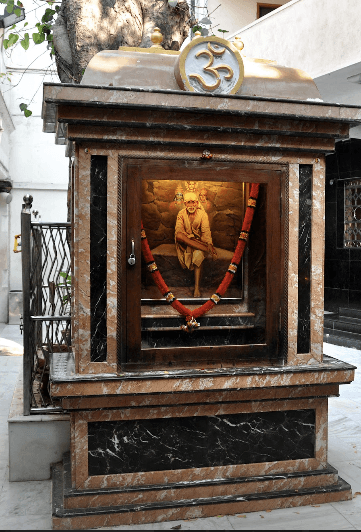
Renovated Gurusthan Renovated Gurusthan

A significant liturgical change also took place during this period. A Panchaloha murthi of Shri Sai Baba was installed in Shri Narasimha Swamiji’s cottage, and important poojas, including Shri Sai Sahasranama Archana, began to be conducted there.

Until then, in accordance with the devotional system established by Shri Narasimha Swamiji, Shri Sai Sahasranama Archana had been performed twice daily in the Sanctum Sanctorum—both before the sacred portrait of Baba worshipped by Swamiji and before Baba’s murthi. During this period, this long-standing practice underwent a significant change, with the poojas being shifted to the newly installed murthi in Swamiji’s cottage. Thereafter, Sai Sahasranama Archana came to be performed only once daily in the morning and exclusively in the cottage, while the worship in the Sanctum Sanctorum became centred primarily around the daily arathis.

It was also during these years that the Shirdi-style arathi system was introduced. Around the same time, practice of recital of Holy Quran on Thursdays began.

Renovated Sanctum Sanctorum Renovated Sanctum Sanctorum

On 15 July 2010, the Ashtabandhana Maha Kumbabhishekam of the Samaj was performed with great grandeur, drawing the participation of thousands of devotees. Marking the significance of the occasion, a four and a half feet marble murthi of His Holiness Shri Narasimha Swamiji was ceremoniously inaugurated, offering devotees a sacred and enduring form through which to remember and revere the Founder-President of the Samaj.

On 30 and 31 July 2016, the Samaj celebrated two landmark occasions with grandeur and devotion:

  • The 75th Year Platinum Jubilee of All India Sai Samaj
  • The 60th Aradhana Year (Diamond Jubilee) of Pujyashri Narasimha Swamiji

The celebrations drew devotees in large numbers and stood as a moment of remembrance, gratitude, and renewed reflection on the extraordinary spiritual foundation laid by Narasimha Swamiji.

During this period, a fibreglass murthi of Shri Sai Baba, finished with a marble-sheet appearance, was introduced for use in temple processions. Alongside this, a weekly Thursday Palki (Pallakku) procession was also commenced using the newly made murthi, enabling more frequent opportunities for devotees to participate in devotional observances.

The years following 2020 brought unforeseen challenges.

During the COVID period in 2020, the temple’s main gate was closed in accordance with government norms and safety measures.

Current Administration

A significant turning point came on 28 August 2025, when the Madras High Court, in CMP No. 10999 in O.S.A. No. 475 of 2002, dissolved the Executive Committee of the All India Sai Samaj and appointed Mr. Justice K. N. Basha (Retd.) and Mr. Justice P. N. Prakash (Retd.), former Judges of the Madras High Court, as the Interim Board of Administrators to oversee and manage the affairs of the Society.

The Administrators assumed charge on 2 September 2025 and have since been working towards the early completion of the Shri Sai Temple project and the restoration of their beloved God, Shri Sai Baba to His rightful abode, where devotees may once again have unhindered access for worship and darshan.

As of June 2026, the All India Sai Samaj stands at an important crossroads—one marked not merely by remembrance of its glorious past, but by a renewed spirit of revival and service. By the grace of Pujya Shri Narsimha Swamiji and ShriShirdi Sai Baba the institution has begun steadily regaining momentum and focus

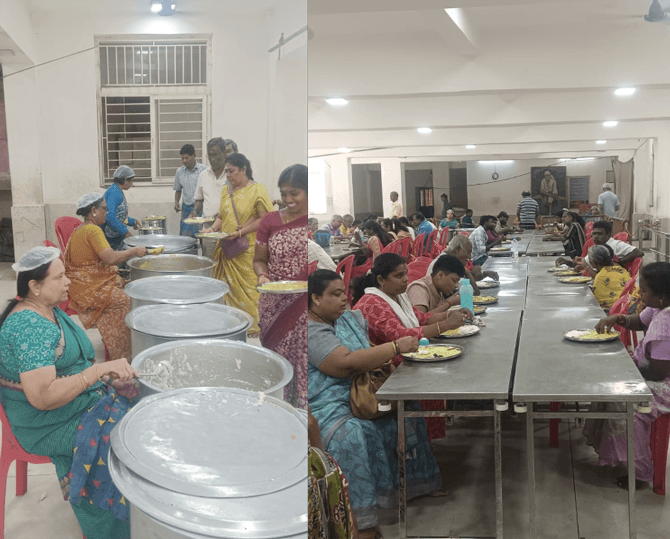
One of the most encouraging developments has been the strengthening of spiritual activities, including the daily recitation of Sahasranamam throughout the week, thereby enriching the devotional life of the temple. Quran is recited by Ms.Kauser Jahan on Thursday evenings. The Samaj also continues its cherished tradition of serving Baba’s Prasadam from 6:00 a.m. to 9:00 p.m. on all 365 days of the year, enabling devotees from all walks of life to partake of Baba’s grace and blessings through this sacred offering.

Annadanam done at present at the Samaj for all 365 days Annadanam done at present at the Samaj for all 365 days

Simultaneously, efforts are underway to seek the support of devotees to re-erect the grand premises of the Samaj - a divine complex consecrated and blessed over the decades by several great Sai devotees and saintly personalities, including H.H. Shri Narasimhaswamiji, M. B. Rege Maharaj, who had the rare blessing of living with Sai Baba during His earthly lifetime, Gopalakrishna Bhagavata Swami, Swami Abhedananda of Thiruvananthapuram, PrabhudattaBrahmachari Maharaj of Brindavan, and many other great saints of Bharat whose devotion sanctified the institution.

For long-time devotees, these were not merely physical structures, but sacred spaces hallowed by worship, tears, faith, and divine remembrance. The aspiration today is not simply reconstruction, but restoration—of a spiritual atmosphere lovingly shaped by Shri Narasimha Swamiji and nourished by decades of collective devotion.

As of June 2026, the All India Sai Samaj has begun looking towards renewal, with funds being raised from devotees for the reconstruction of the temple and its sacred premises. The effort carries profound emotional and spiritual significance, for these grounds were sanctified by the presence and blessings of many great Sai devotees and spiritual luminaries across generations.

The hope among devotees remains deeply prayerful: that the Samaj - founded through sacrifice, sustained through unwavering faith, and sanctified by saints - will once again rise in renewed splendour, and that the next Maha Kumbabhishekam may take place in the near future, restoring to Mylapore a spiritual centre that has guided, nurtured, and inspired countless Sai devotees for generations.

With Shraddha (faith) and Saburi (patience), devotees continue to await Shri Sai Baba’s divine grace, trusting that what was lovingly built through devotion shall, in time, flourish once again through devotion.

Source Note:

The history presented in this article has been compiled from authentic publications of the All India Sai Samaj, including Sai Sudha and official Souvenirs published by the Samaj over the years. Every effort has been made to ensure historical accuracy.

Readers noticing any discrepancy, omission, or factual error are requested to write to allindiasaisamaj@gmail.com, enclosing authentic documentary evidence, so that appropriate corrections may be considered for future editions.